Supporting Patients with Serious Illness
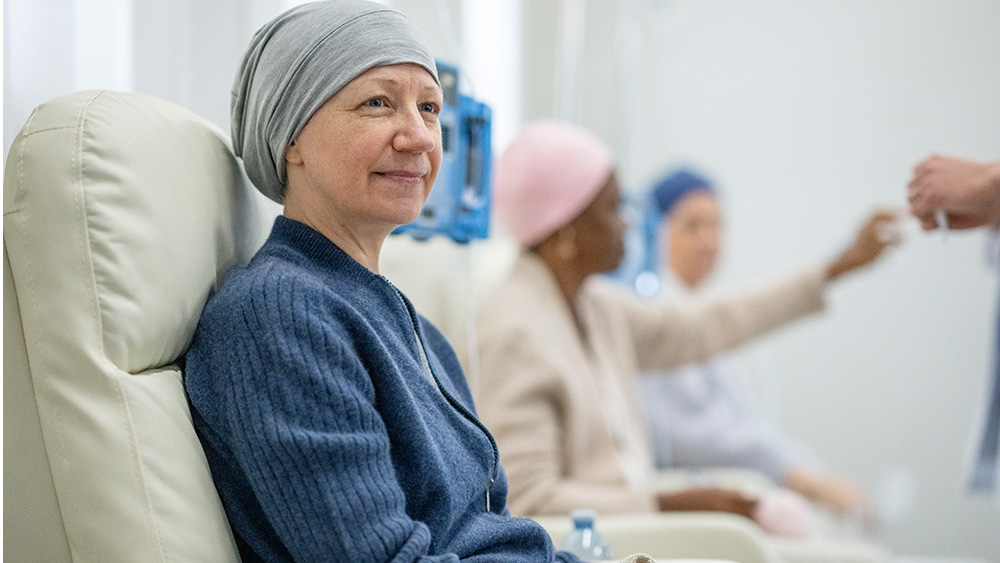
Many patients living with a serious illness, whether chronic or short‑term, curable or life‑threatening, often face symptoms and challenges that can be as difficult as the illness itself. Debilitating pain, side effects from medical treatments, anxiety about the future, and the emotional impact on family and loved ones can significantly affect quality of life. The Palliative Care Program at Rochester Regional Health can help.
About Palliative Care
Palliative care, also called palliative medicine, is specialized medical care that focuses on relieving symptoms, pain, and stress related to a serious illness. It is available at any age and at any stage of a serious diagnosis.
Palliative care is provided alongside ongoing treatment and offers an added layer of support. Care is delivered by a team that works closely with your doctors to help improve quality of life for both patients and their loved ones.
Palliative Care Services
Palliative care provides an added layer of support for patients and families facing serious illness. Services may include:
- Expert management of pain and other symptoms
- Emotional, social, and spiritual support
- Help understanding complex medical information and treatment options
- Guidance with difficult healthcare decisions
- Coordination of care across providers and settings, including during hospital stays
Where You Can Receive Palliative Care Services at Rochester Regional Health:
Palliative care at Rochester Regional Health is delivered in different settings depending on your needs, including inpatient and outpatient care.
Inpatient Palliative Care
When you or a loved one is hospitalized with a serious illness, inpatient palliative care provides an added layer of support focused on comfort, communication, and quality of life. Our team works alongside your hospital care providers to manage symptoms such as pain, shortness of breath, nausea, fatigue, and anxiety, while also helping patients and families navigate complex medical decisions. Palliative care can be provided at any stage of a serious illness and alongside curative or life‑prolonging treatments, ensuring care aligns with your goals and values during your hospital stay. Inpatient palliative care is available at Rochester General Hospital, Unity Hospital, and United Memorial Medical Center.
Outpatient Palliative Care
Outpatient palliative care offers ongoing support for people living with a serious illness who are not hospitalized. Through scheduled visits, our care team helps manage symptoms, coordinate care, and address emotional or day‑to‑day challenges while you continue medical treatment. Outpatient palliative care is available at any point during a serious illness and can be especially helpful during active treatment, after hospitalization, or when symptoms or treatment side effects impact daily life.
Outpatient Palliative Care Locations
CompassionNet Program
CompassionNet is a community-based pediatric and perinatal palliative care program that provides support and care to families caring for a child with a potentially life-threatening illness or families expecting the birth of a child with a serious medical condition. Starting at the time of diagnosis, our interdisciplinary team collaborates with other providers to address children and families - physical, emotional, social, and spiritual needs and improve quality of life.
You can request a palliative care referral by talking with any member of your medical team, including your primary care provider, specialist, or hospital care team. They can help determine whether inpatient or outpatient palliative care is the best fit for your needs.
Frequently Asked Questions About Palliative Care
Your palliative care team is made up of healthcare professionals who work together to support your comfort, goals, and quality of life. Teams may include palliative medicine physicians, nurse practitioners, registered nurses, social workers, and chaplains.
Palliative care can benefit people of any age and at any stage of a serious or chronic illness. It is appropriate whether someone is newly diagnosed, undergoing treatment, or managing long‑term symptoms.
Serious conditions that may benefit from palliative care include, but are not limited to:
- Cancer (at any stage)
- Dementia or Alzheimer’s disease
- Heart disease or heart failure
- Chronic lung disease, such as COPD or emphysema
- Neurologic conditions, including stroke, ALS, multiple sclerosis (MS), Parkinson’s disease, or severe brain or spinal cord injury
- Kidney or liver failure
Starting palliative care early can help improve symptom control, quality of life, and overall comfort while supporting patients and families throughout their care journey.
Yes. Palliative care can be provided at the same time as treatments meant to cure or manage your illness. It is designed to work alongside your existing care, not replace it.
While you continue treatment, palliative care focuses on relieving symptoms, reducing stress, and improving quality of life for you and your loved ones.
Yes. Rochester Regional Health offers select palliative care services in the home for eligible patients who are homebound. Depending on your needs, this may include home-based nursing support or visits from a palliative care provider. Availability varies by location and service, and eligibility is determined on an individual basis. Your care team can help identify the options that best support your symptoms, goals, and treatment plan.
Palliative care is available at any stage of a serious illness and can be provided alongside treatments aimed at curing or managing disease. It focuses on relieving symptoms, easing stress, and supporting quality of life.
Hospice care is intended for patients with a life limiting illness when the focus shifts from curative treatment to comfort focused care, typically near the end of life. When appropriate, palliative care teams may work closely with hospice providers to help ensure a smooth transition of care. If hospice care becomes appropriate, you can learn more about hospice services at Rochester Regional Health.
Palliative Care Providers
Palliative Care Support Staff
Our nurse navigators help guide patients and families through the healthcare system, ensuring care is coordinated and easy to understand. They provide education, answer questions, and help manage symptoms and treatment plans while acting as a consistent point of contact.
Chaplains provide spiritual and emotional support to patients and families, helping them navigate the personal and existential challenges that can come with serious illness. They offer a compassionate presence, listen without judgment, and support individuals as they find comfort, meaning, and connection during difficult times.
Social workers on our palliative care support team help patients and families by addressing the emotional, social, and practical challenges that can come with serious illness. They provide counseling, connect individuals with resources, and help navigate complex decisions to ensure patients and their loved ones feel supported throughout their care journey.
Related Health Hive Articles