Key Takeaways
- Cardioversion is a quick, relatively minor procedure done at a hospital to get the heart rhythm back to normal.
- From arrival to being discharged, the procedure takes about 45 minutes.
- Cardioversion is typically an early treatment for AFib patients but is not a long-term solution.
Our heart care team at the Sands-Constellation Heart & Vascular Institute’s AFib Center is here to ensure you understand and manage AFib. From identifying the cause of the condition to finding a treatment plan uniquely suited for you, we’re here for you every step of the way.
Cardioversion is a procedure performed on patients who are living with atrial fibrillation (AFib), an irregularly irregular heart rhythm that prevents the heart from pumping blood effectively to the rest of the body.
During cardioversion, a tiny electrical shock is delivered to the heart to get it out of AFib and back to a normal rhythm.
Meghan Wright, PA-C, is a physician assistant with the Sands-Constellation Heart & Vascular Institute’s AFib Center at Rochester General Hospital. She treats patients with all stages of AFib and explains how cardioversion works and what patients can expect.
What happens during cardioversion
Once a heart care provider determines a patient’s heart is in AFib, they may recommend cardioversion. This procedure is very common and is often used as an early strategy for managing and treating AFib.
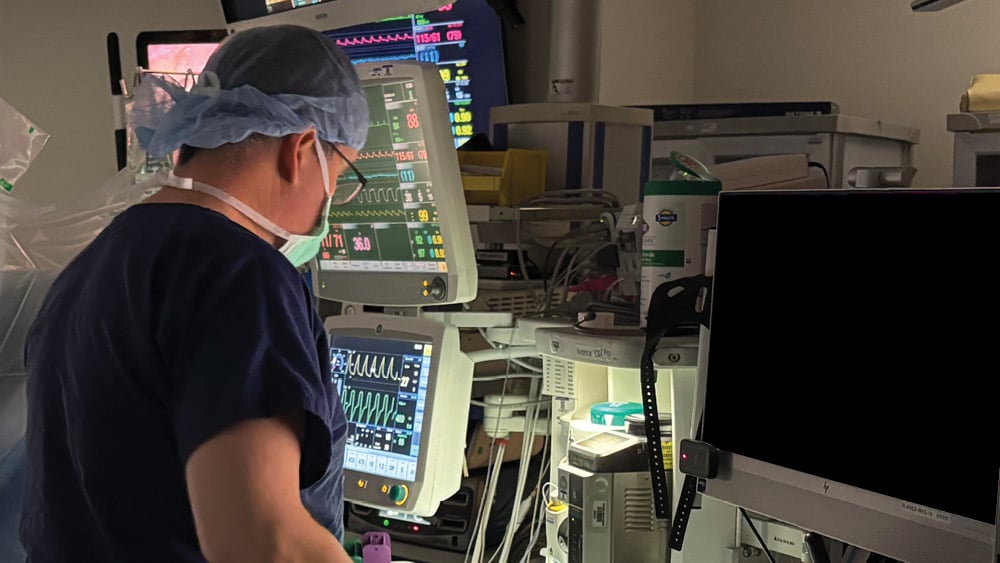
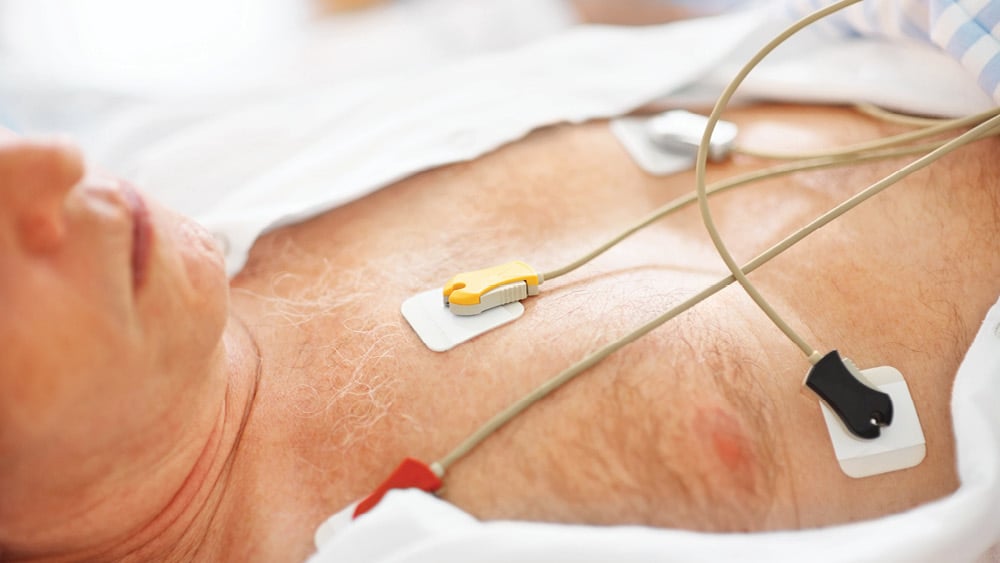
Typically, an appointment will be scheduled at the hospital. Once the patient arrives at the hospital, they have a provider place patches on their chest, then receive medicine to help them relax and go to sleep. Once the patient is asleep, the heart care team attaches leads to the patches on their chest and delivers a tiny electrical shock to the heart to restore a regular rhythm.
After the shock is administered, the patient will undergo an EKG to determine if their heart rhythm was restored to its regular rhythm.
From the time a patient arrives at their scheduled appointment to the end of the post-procedure observation period, it takes about 45 minutes.
“Cardioversion is a very routine procedure,” Wright said. “You receive very mild sedation, there is very minimal risk, and our heart care teams do it all day every day with a high success rate.”
What comes next for patients after cardioversion
If the patient’s heart rhythm returns to normal, the patient is then observed for a short time by their heart care team before being cleared to leave.
If the heart rhythm is still irregular, the heart care team will deliver 1-2 more shocks to restore the regular rhythm.
If these subsequent cardioversion attempts do not restore a regular rhythm, then the patient will meet with the electrophysiology team and determine the next steps to help manage their AFib. Some treatment options for AFib include:
- lifestyle modifications (diet, physical activity, etc.)
- medication
- minimally invasive procedures
- surgery
“In most cases, when we meet with a patient who has gone into AFib relatively recently, cardioversion is very successful,” Wright said.
Learning how to manage AFib
Regardless of the outcome of cardioversion, patients with AFib will need to seek out long-term treatment to manage their condition.
The longer someone has AFib and lives with it untreated, the more challenging their health journey will be down the road.
This is why it is so important for anyone who has undergone cardioversion to follow up with a cardiologist and come up with a long-term treatment strategy on managing their condition.
“Cardioversion is not a long-term treatment option for AFib,” Wright said. “This procedure is an early-stage intervention to get your heart back into a normal rhythm. It cannot predict whether you are going to go back into AFib or when you might have AFib again.”

Related Articles






.jpg?h=563&iar=0&w=1000)